

How do I know if my wastewater system needs replacing?
It’s not something most people think about day to day.
If your wastewater system is working, it stays out of sight and out of mind. But when it starts to struggle, it can quickly become disruptive, costly, and stressful.
The good news is that systems rarely fail without warning. There are usually clear signs that something is not quite right.
If you’re wondering whether your septic tank or treatment system needs replacing, here’s what to look out for.
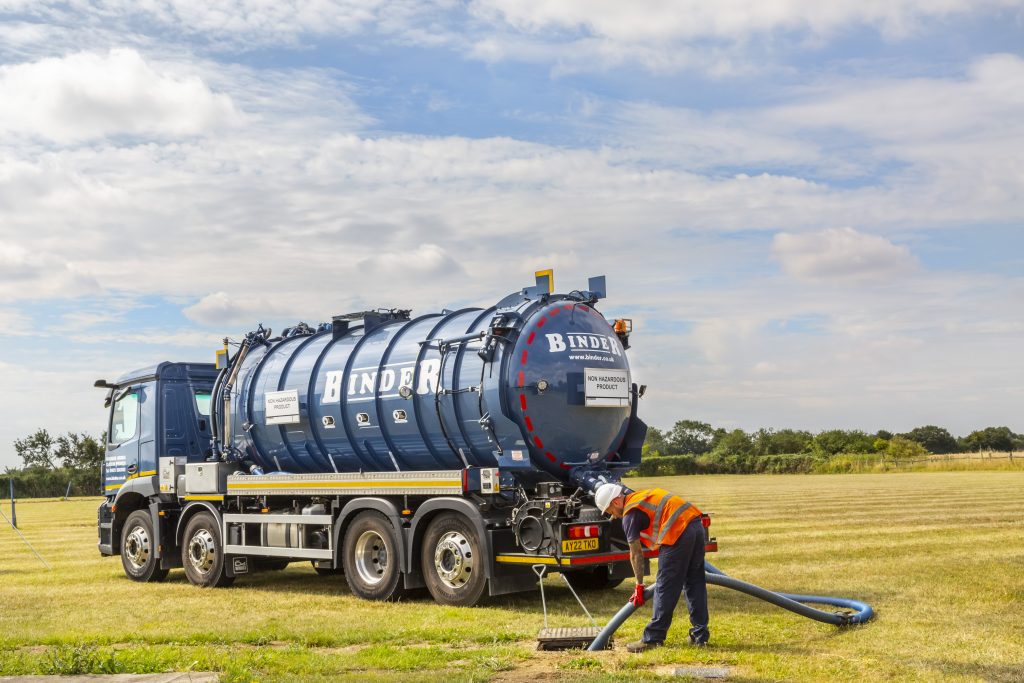
First things first. What counts as a wastewater system?
When we talk about wastewater systems, we mean things like:
- Septic tanks
- Sewage treatment plants
- Cesspits
If your property is not connected to mains drainage, you will have one of these in place.
Each system has a lifespan. Each one also needs to meet current regulations and keep up with how your property is used.
1. You’re dealing with slow drains or regular backups
This is often the first sign people notice.
If sinks are slow to empty or toilets are backing up, it can feel like a minor issue. But if it keeps happening, it is usually a sign your wastewater system is not coping as it should.
This could be due to age, internal damage, or simply that the system is no longer suitable for your needs.
If you’re repeatedly fixing the symptom, it is worth asking whether the system itself is the problem.
2. There are smells you can’t ignore
A healthy wastewater system should not smell.
If you’re noticing persistent odours around your tank, drains, or outside areas, something is not working properly.
This is one of the most common septic tank problems and can point to:
- Leaks
- Overflows
- Poor treatment of waste
If the smell is consistent, it is a sign the system needs attention.
3. The ground around your system looks different
Have you noticed soggy patches, pooling water, or grass that looks greener than everywhere else?
That is not just a coincidence.
It often means wastewater is not being properly treated or dispersed. This is especially common with failing drainage fields.
At this point, it moves beyond inconvenience and becomes an environmental and health concern.
4. Your system is getting older
This is a big one.
Most systems have a lifespan of around 15 to 25 years. Some last longer with good maintenance, but performance does decline over time.
If your system is older and you are starting to notice issues, it may not be a case of repair. It may be time to consider wastewater system replacement.
5. It does not meet current regulations
Regulations have changed, and many older systems no longer meet the required standards.
Under the General Binding Rules, systems that discharge directly into watercourses are no longer compliant in most cases.
If your system falls into this category, replacement is often the most straightforward and future-proof solution.
6. You’re emptying it more often than before
If your tank needs emptying more frequently, it is usually a sign something has changed.
It could be:
- Increased usage
- Reduced efficiency
- Internal wear
Either way, it is a sign the system is under pressure. Over time, this often leads to failure if not addressed.
7. Your property has changed, but your system hasn’t
Have you added an extension? Installed another bathroom? Increased occupancy?
Your wastewater system is designed based on how your property is used.
If that usage increases but the system stays the same, it can quickly become overloaded.
This is one of the most common reasons people need to upgrade their septic tank or treatment system.
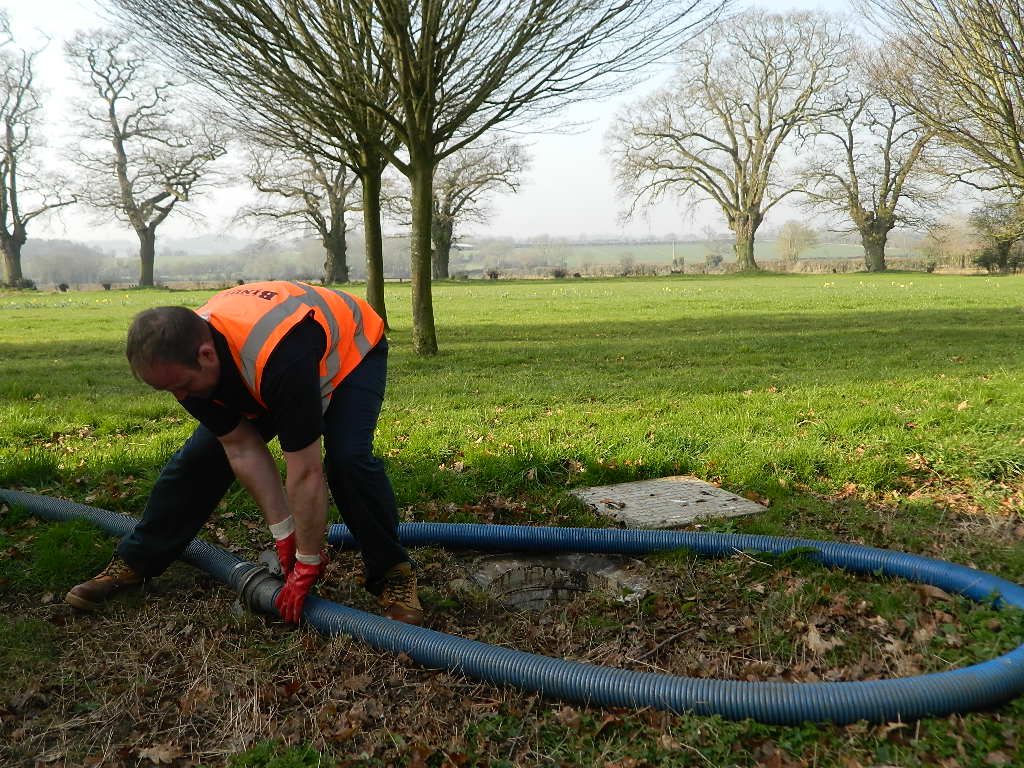
So, when should you replace your wastewater system?
A lot of people ask this.
The answer is not always immediate replacement. Some issues can be repaired.
However, replacement is usually the better option when:
- Problems are happening regularly
- Costs are adding up
- The system is non-compliant
- The system is no longer suitable for your property
If you are constantly fixing issues, it is often more cost-effective to invest in a long-term solution.
What does a modern system offer?
New wastewater treatment systems are designed to be more efficient and reliable.
They typically provide:
- Better treatment of wastewater
- Compliance with current regulations
- Lower risk of breakdowns
- Reduced long-term maintenance
Most importantly, they give you confidence that everything is working as it should.
A simple next step
If any of this sounds familiar, the best thing you can do is get your system assessed.
That way, you can:
- Understand what condition it is in
- Decide whether repair or replacement is the right option
- Plan ahead instead of reacting to a problem
Final thought
Wastewater systems do not usually fail overnight.
They give you signs. It is just a case of knowing what to look for and acting before things escalate.
If you are unsure, it is always better to have the conversation early. It gives you more control over the outcome and avoids unnecessary stress later on.