


Septic tanks and sewage treatment plants (STP’s) are often confused as the same thing, however they are not.
How do they work?
A STP works in a similar way to a septic tank by acting as a trap for the solid waste and discharging the waste water but with a big difference; STP units are designed to treat the wastewater before it is discharged, and is therefore permitted to discharge to a watercourse such as a river, stream or pond and in many instances can be discharged into a storm water soak-away.
What are the differences?
- STP’s require electricity to run the air pump and other mechanical components however septic tanks can run power-free
- Septic tanks don’t require servicing (although they do require emptying), whereas sewage treatment plants require servicing and emptying.
- A typical septic tank has two ‘zones’, whereas a sewage treatment plant typically has three.
- A STP provides treatment of the waste, whereas a septic tank simply separates it – this means that the waste water that leaves a STP is cleaner than what leaves a septic tank.
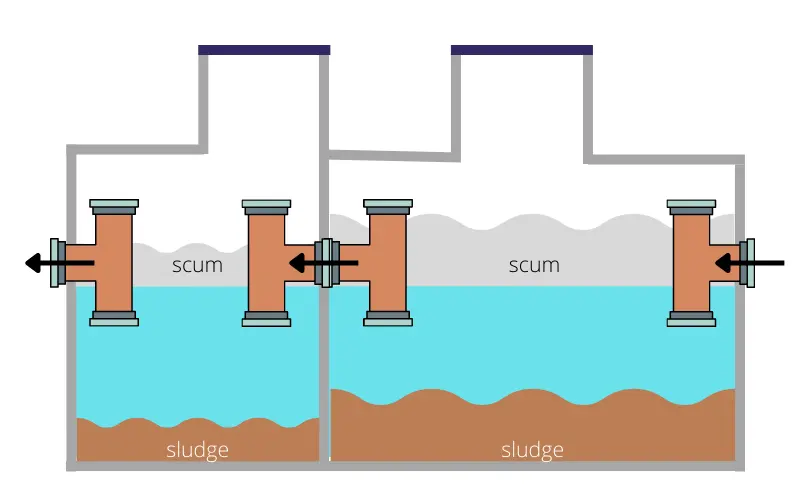
Septic Tank
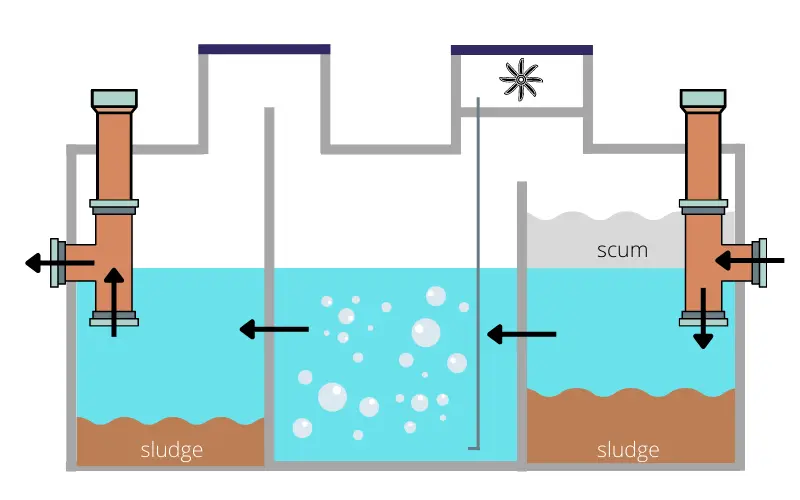
Sewage Treatment Plant
What does this mean to you?
There are a lot of properties out there which currently have a septic tank that discharges to a local watercourse (instead of to a soakaway system or drainage field). As of January 1st 2020, this is no longer legal.
If you own a property with this drainage system, you must upgrade it by that date. If you are selling a property with this system in place before 2020, you must upgrade it before selling. If you are buying a property with a septic tank discharging to a watercourse and this hasn’t yet been discussed – don’t until agreement has been made about upgrading the system.
For more information about the General Binding Rules read our blog here, or speak to our team.